
Bitcoin Spot vs Futures ETFs Explained
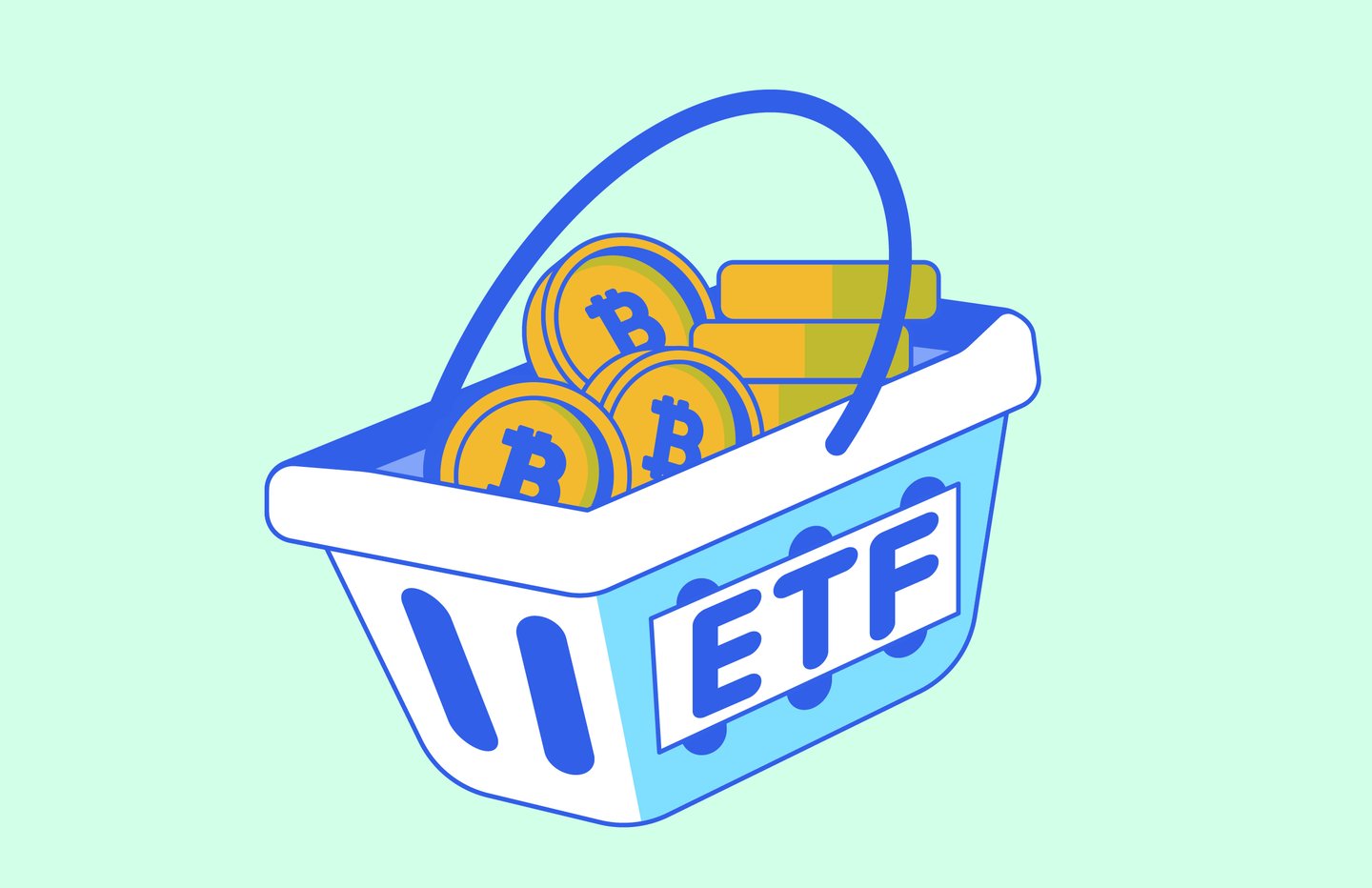
Exchange-traded funds (ETFs) have become a bridge between traditional finance and crypto, allowing investors to gain exposure to Bitcoin without having to buy or hold it directly. But not all Bitcoin ETFs are the same. The two main types are Spot ETFs and Futures ETFs - and the differences matter.
Key Takeaways
Bitcoin Spot ETFs hold actual Bitcoin, giving investors direct exposure to its price.
Bitcoin Futures ETFs use futures contracts to track Bitcoin’s price, without holding BTC.
Spot ETFs are simpler and more transparent but face stricter regulatory hurdles.
Futures ETFs offer flexibility but come with risks like rollover costs and price divergence.
What Is a Bitcoin Spot ETF?
A Spot Bitcoin ETF buys and holds real Bitcoin. When you purchase shares in the ETF, you’re indirectly owning a portion of those holdings.
Pros : Direct price exposure, simple structure, and no need to manage wallets or private keys.
Cons : Still subject to Bitcoin’s volatility; custody of the underlying BTC carries risks.
Think of it as the closest regulated way to invest in Bitcoin without actually holding it yourself.
What Is a Bitcoin Futures ETF?
A Futures Bitcoin ETF doesn’t hold BTC at all. Instead, it invests in futures contracts — agreements to buy or sell Bitcoin at a set price on a future date.
Pros : Can be used to speculate or hedge, available in markets where Spot ETFs aren’t yet approved.
Cons : Contract expiries mean constant rollovers, which can add costs and cause prices to drift away from actual BTC performance.
In short: Futures ETFs track Bitcoin’s expected price, not its real-time spot price.
Why Spot vs Futures Matters
Spot ETFs = straightforward Bitcoin exposure.
Futures ETFs = exposure via derivatives, often more complex and costlier over time.
Both are regulated products, but approval timelines differ. The U.S. approved several Bitcoin Futures ETFs in 2021, while Spot ETFs were only approved in 2024 after years of delays.
Which One Should You Consider?
It depends on your strategy:
If you want direct Bitcoin exposure in a regulated wrapper → Spot ETF.
If you’re more comfortable with derivatives and short-term trading → Futures ETF.
Neither is risk-free - both inherit Bitcoin’s volatility. But Spot ETFs are generally seen as the more straightforward, long-term option.
Explore Bitcoin with Hata
At Hata, Malaysia’s licensed digital asset exchange, you don’t need to wait for ETFs. You can buy, sell, and securely store Bitcoin directly - with low fees and local trust.
👉 Start your Bitcoin journey with Hata today and experience crypto the easy, regulated way.
DISCLAIMER & WARNING
The information provided here is presented "as is'' and is intended for general informational and educational purposes only. It does not come with any representation or warranty of any kind. This content should not be interpreted as financial, legal, or other professional advice, and it is not intended to endorse or recommend the purchase of any specific product or service. It is advisable to consult with appropriate professional advisors for personalized guidance. In cases where the article is contributed by a third-party author, please note that the expressed views belong to the author alone and may not necessarily reflect the opinions of Hata. For further details, we encourage you to read our complete disclaimer. Please be aware that the prices of digital assets can be highly volatile. The value of your investment may increase or decrease, and there is a risk that you may not recover the full amount invested. You are solely responsible for making your own investment decisions, and Hata cannot be held liable for any losses you may incur. This material is not to be construed as financial, legal, or other professional advice. For more information, please refer to Hata’s Terms of Use and Risk Warning.
Company

Explore
Legal
Contact Us
49, Jalan Dungun, Bukit Damansara, 50490 Kuala Lumpur, Malaysia.
Copyright ©2026 Hata. All rights reserved.
Compliance